Haunted by Apps: The Creepy Reason Your Phone Keeps Pinging From the Digital Grave
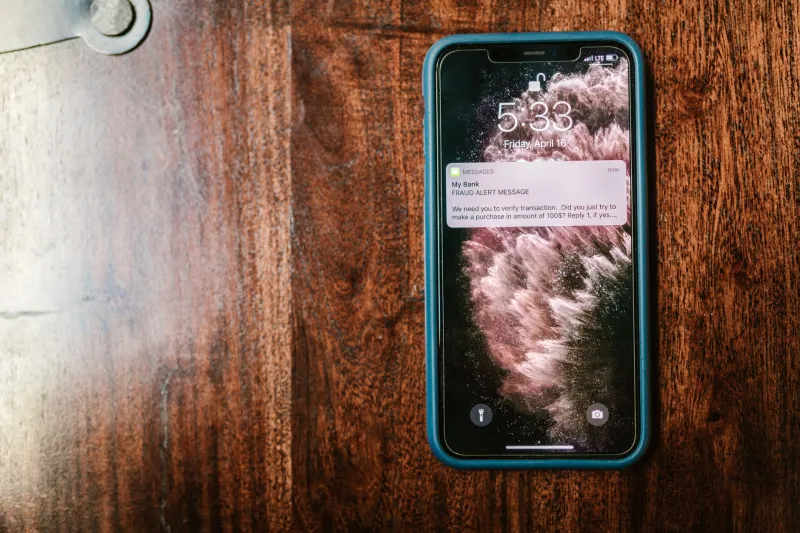
You're sitting on the couch, minding your business, when your phone buzzes. You pick it up. It's a push notification from a shopping app you deleted sometime around the second year of the pandemic. You haven't thought about that app in months. You definitely didn't reinstall it. And yet, there it is — cheerfully reminding you that your cart is still waiting.
Welcome to the notification graveyard, where digital ghosts roam free and your attention is the haunting ground.
This isn't just an annoying quirk. It's a symptom of something bigger — a sprawling, largely invisible system that keeps you tethered to apps and platforms long after you've tried to walk away. And once you understand how it actually works, you'll never look at your phone's settings the same way again.
The Delete Button Isn't What You Think It Is
Here's the uncomfortable truth: deleting an app from your phone is less like canceling a subscription and more like moving out of an apartment while leaving all your furniture behind. The icon disappears. The storage frees up. But underneath that clean home screen, a surprising amount of residue remains.
On both Android and iOS, apps routinely register for push notification services before they even know if you'll keep them installed. Services like Google's Firebase Cloud Messaging and Apple's APNs (Apple Push Notification service) act as the middlemen — they hold onto device tokens, which are essentially your phone's unique address for receiving pings. When a company wants to send you a notification, they route it through these services using that token.
Here's the kicker: that token doesn't automatically expire when you delete the app. In many cases, it just sits there. And if you ever reinstall the app — even briefly, even accidentally — the whole system snaps back to life like nothing happened.
Some notifications that appear to come from deleted apps are actually being served through your browser, through a linked account on another device, or through a third-party service you forgot you authorized. It's a tangled web, and the companies building these systems have very little incentive to untangle it for you.
The Permission Hangover
Beyond push tokens, there's the broader problem of lingering permissions. When you install an app, you often grant it access to things like your location, contacts, microphone, or camera. On Android especially, older versions of the operating system didn't always clean house when an app was removed. Background services — tiny processes that run quietly without you ever seeing them — could continue operating under certain conditions even after the main app was gone.
Apple has tightened things up considerably with recent iOS updates, and Android 11 and beyond introduced auto-reset permissions for apps you haven't used in a while. But if you're running older software (and a lot of Americans are — millions of people are still on phones that haven't been updated in years), those protections may not be in place.
Then there's the account layer. If you signed up for a service using your Google or Apple account, the app might be gone but the account association isn't. That company still has your email, your usage history, and in many cases, active permission to contact you. Deleting the app doesn't delete your account. And deleting your account, if you even remember how to do it, is often a multi-step odyssey buried in settings menus clearly designed by someone who did not want you to succeed.
Why Companies Love This Gray Zone
Let's be real about the incentives here. Re-engagement is one of the most valuable things a tech company can do. Getting a lapsed user to come back costs a fraction of what it takes to acquire a new one. So every time a ghost notification lures you back into an app you forgot you had, that's a win in someone's quarterly report.
The ad-tech ecosystem has a term for this: "winback campaigns." They're automated, they're targeted, and they're specifically designed to reach people who've gone quiet. The fact that you deleted the app is actually useful data — it tells the algorithm that you need a stronger nudge. Maybe a discount. Maybe a "we miss you" message. Maybe just enough FOMO to make you tap.
Regulation in this space is patchy at best. The California Consumer Privacy Act (CCPA) gives residents some rights around data deletion, and the broader push for federal privacy legislation has been simmering for years without quite boiling over. In the meantime, companies operate in a gray zone that's technically legal, frequently annoying, and occasionally creepy.
How to Actually Reclaim Your Peace
Okay, enough doom — here's what you can actually do about it.
Audit your notification settings, not just your apps. On iPhone, go to Settings → Notifications and scroll through the full list. You'll likely find apps in there you don't recognize or don't use. Kill their notification access directly. On Android, head to Settings → Apps → See All Apps and check notification permissions app by app.
Revoke permissions at the OS level. Both iOS and Android let you manage location, microphone, camera, and other permissions independently of whether the app is installed. Clean these up periodically — think of it like digital hygiene.
Delete your accounts, not just the apps. This is the step most people skip. JustDeleteMe (justdeleteme.xyz) is a handy directory that rates how easy or hard it is to delete accounts on popular platforms. Use it.
Check your browser notification permissions. Go to your browser settings and look at which sites have permission to send you push notifications. This list is almost always longer and weirder than you'd expect.
Update your operating system. Boring advice, but genuinely effective. Newer OS versions have better permission management and are more aggressive about cleaning up after deleted apps.
Use Sign in with Apple where possible. When you delete an app and revoke the Apple sign-in, it automatically invalidates the connection. It's one of the cleaner solutions available right now.
The Bigger Picture
The notification graveyard isn't just an inconvenience. It's a window into how the modern app economy actually works — one where your attention is the product, your data is the inventory, and your sense of having "left" a platform is often more illusion than reality.
The good news is that awareness is genuinely half the battle. Once you know that deleting an app is just step one of a longer process, you can take the additional steps to actually close the loop. It takes maybe 20 minutes to do a proper digital cleanout, and the silence on the other side of it is, frankly, glorious.
Your phone should work for you. Not for the quarterly engagement metrics of an app you haven't thought about since 2021.