Why Everything Old Is Cool Again — And the Billion-Dollar Industry Betting On It
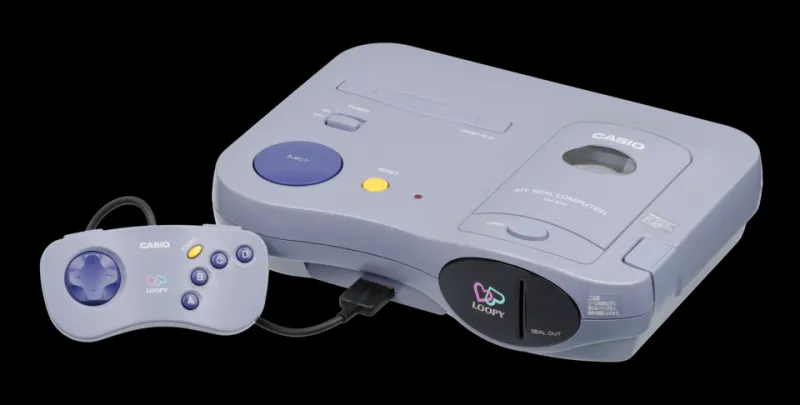
Photo: Evan-Amos, Public domain, via Wikimedia Commons
Somewhere right now, a 28-year-old is buying a Tamagotchi. A 24-year-old is thrifting a Von Dutch trucker hat. A 32-year-old is genuinely excited about a new season of a show they watched in middle school. And a roomful of entertainment executives is high-fiving because all of this is happening exactly as planned.
Nostalgia has always been a force in American pop culture. But what we're experiencing right now feels different — more intense, more deliberate, and more commercially organized than anything we've seen before. The question worth asking isn't just why we're obsessed with the past. It's who's profiting from that obsession, and whether our hunger for the familiar is actually being satisfied — or just endlessly fed.
The Psychology of Looking Backward
Let's get the science part out of the way first, because it's genuinely fascinating.
Nostalgia isn't just sentimentality. Researchers at the University of Southampton have spent years studying it, and what they've found pushes back against the old idea that nostalgia is a passive, melancholy feeling. It's actually an active psychological resource. When people feel anxious, disconnected, or uncertain about the future, nostalgia functions as an emotional anchor — it reinforces a sense of identity, continuity, and belonging.
In other words, when life feels unstable, the past feels like solid ground.
Consider the timeline. Millennials came of age through 9/11, the 2008 financial crisis, and a job market that didn't deliver on the promises their parents made about college degrees. Gen Z entered adulthood during a global pandemic, a mental health crisis, climate anxiety, and economic instability that makes homeownership feel like a fantasy. Both generations have had plenty of reasons to find comfort in an era that, in memory at least, felt simpler and more manageable.
The '90s and early 2000s — the primary cultural wells being mined right now — weren't actually simpler times in any objective sense. But they feel that way in retrospect, and that feeling is what nostalgia sells.
Hollywood Discovered That Familiarity Converts
The entertainment industry didn't invent nostalgia, but it has absolutely weaponized it.
Here's the cold business logic: launching a new intellectual property is expensive and risky. You have to build awareness from scratch, convince audiences to care about characters they've never met, and hope the concept lands. Rebooting a beloved franchise, on the other hand, comes pre-loaded with an emotional fanbase, built-in press coverage, and decades of cultural goodwill. The risk profile is completely different.
Disney has made an art form of this with its live-action remake pipeline. The Lion King, Beauty and the Beast, The Little Mermaid — each one generated controversy and conversation, which is itself a form of free marketing. Paramount brought back Top Gun 36 years after the original and watched it become one of the highest-grossing films in studio history. Netflix greenlit Fuller House, Gilmore Girls: A Year in the Life, and Cobra Kai (a Karate Kid sequel series that genuinely became a cultural phenomenon on its own terms).
The streaming era supercharged all of this because catalog content — old shows and movies — is cheap to license and keeps subscribers on the platform. Nostalgia-driven content also travels well across age groups. A parent who watched the original can watch the reboot with their kid. That multigenerational appeal is marketing gold.
TikTok and the Acceleration of Retro Cycles
Here's where things get genuinely weird: the nostalgia cycle is speeding up.
There used to be a rough rule of thumb in fashion and pop culture — trends came back around every 20 to 30 years. That's roughly the time it takes for the generation that originally experienced something to hit their adult spending years and for the generation after them to discover it as something new and interesting.
TikTok has blown that timeline apart. The platform's algorithm doesn't care about chronology. It surfaces whatever gets engagement, which means a sound clip, an aesthetic, or a fashion moment from 2003 can go viral in 2024 to an audience that was literally in diapers when it was originally popular. Early 2000s fashion — butterfly clips, Von Dutch, low-rise everything — became a TikTok aesthetic years before Gen Z would have "naturally" discovered it through the 20-year cycle.
This creates a strange loop where nostalgia is being industrialized and accelerated simultaneously. Brands monitor these micro-trends in real time and rush product to market before the moment passes. The gap between "this thing is trending on TikTok" and "this thing is on the shelf at Target" has shrunk to weeks.
The Comfort Content Phenomenon
Beyond fashion and film, there's a quieter form of nostalgia happening in living rooms across America: the rise of comfort content.
Streaming data has consistently shown that during periods of collective stress — the early months of COVID lockdowns being the most dramatic example — people reach for familiar shows rather than new ones. The Office and Friends dominated streaming numbers during 2020 not because they were new but because they were known quantities. Viewers knew exactly what they were getting. No surprises. No new emotional demands. Just the warm familiarity of characters who felt like old friends.
This behavior isn't limited to crisis moments, though. It's become a baseline. "Comfort rewatching" — deliberately revisiting shows you've already seen — has become a widely discussed and socially accepted practice in a way it simply wasn't a decade ago. There's even a growing body of research suggesting that rewatching familiar content can genuinely reduce anxiety by providing a sense of control and predictability.
Which, again, is something brands noticed. "Feel-good" and "nostalgic" have become explicit marketing categories.
Are We Actually Being Satisfied?
Here's the part worth sitting with: nostalgia, by its nature, can never fully deliver what it promises.
The past you're longing for isn't the actual past — it's a curated, emotionally filtered version of it. The rebooted show can't recreate what it felt like to watch the original at 12 years old, on a Saturday morning, without a care in the world. The Von Dutch hat doesn't bring back 2003. The nostalgia industry is selling the feeling of accessing something you can't actually access, which means the appetite is, structurally, impossible to satisfy.
That's not necessarily a cynical observation. There's genuine joy in a well-executed revival, a beautifully made throwback, or a fashion cycle that brings back something you genuinely loved. The problem is when nostalgia becomes a substitute for engaging with the present — when comfort-seeking tips into avoidance.
The most interesting cultural moments tend to be the ones that take something familiar and genuinely transform it rather than just repackaging it. Cobra Kai worked because it complicated the original story rather than just repeating it. Stranger Things used nostalgia as aesthetic texture, not as the entire substance.
The past is a great place to visit. The nostalgia industrial complex just really, really doesn't want you to leave.